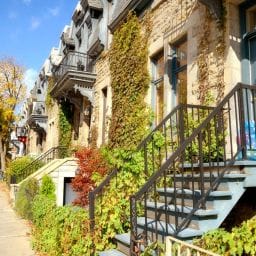

Exploring the Energy Efficiency of Brick Homes
When it comes to finding your dream home, considerations often revolve around location, space, and aesthetics. However, an essential yet sometimes overlooked factor is energy efficiency. In this guide brought to you by Groupe Sayed Montreal, we delve into the question: Are Brick Homes More Energy Efficient?
Benefits of a Brick Home
1. Heat Absorption
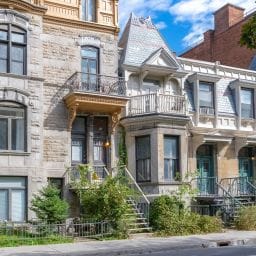
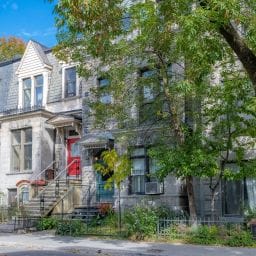
Bricks, known for their high thermal mass, excel in energy efficiency. They absorb and store heat, regulating indoor temperatures. This not only reduces the need for air conditioning but also stabilizes humidity levels, enhancing comfort and air quality. Adding plants to your brick home can further create a pleasant microclimate.
2. Heat Retention in Cold Weather
Brick homes don’t just shine in warm weather; they effectively store heat from the sun or internal sources during colder months. This stored heat is gradually released, reducing the need for continuous heating. Combining brick with modern insulation techniques enhances energy efficiency.
3. Inherent Air Tightness
Energy-efficient brick homes tend to be more airtight, minimizing air leakage. This tight seal keeps warm or cool air inside, reducing the impact of outside temperature changes on your home’s climate. The airtight nature also contributes to maintaining indoor air quality and reducing noise pollution.
Why Choosing a Brick Home Makes Sense
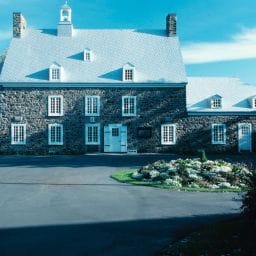
Opting for energy-efficient brick homes offers numerous advantages. Beyond their durability and resistance to elements, brick homes require less upkeep, potentially saving on maintenance and repairs. The fire resistance of bricks enhances safety and may even lower insurance premiums. Brick homes are also less prone to mould and mildew, providing a healthier living environment. Aesthetically, they have a timeless appeal, enhancing curb appeal and property value.
What to Look Out for Before Investing
Before buying or renting a brick home, conducting a thorough inspection is crucial. Consider the type of brick used, as locally made bricks can vary in quality. Assess the condition of internal beams and joists, look for signs of foundation issues like stair-step cracks, and check for crumbling mortar. Evaluate drainage systems, as older homes may have outdated systems leading to potential issues like soil erosion. These aspects are crucial to ensuring the home’s integrity and avoiding unexpected expenses.
Find Energy-Efficient Homes with Groupe Sayed Montreal
Explore Groupe Sayed Montreal’s listings for durable, charming, and energy-efficient homes. Our expert agents can guide you to a property that not only offers safety and comfort but also serves as a wise investment for your future.
FAQs About Energy-Efficient Homes
1. Are brick homes more expensive than homes made of other materials?
While the initial cost may be slightly higher, the long-term savings on maintenance and energy bills often make brick homes a cost-effective choice.
2. Can I make an older brick home more energy-efficient?
Yes, modern insulation techniques can be integrated with older brick structures to enhance their energy efficiency.
3. Do brick homes require more maintenance?
No, brick homes are known for their durability and resistance to decay, reducing the need for frequent maintenance.
4. Are there specific types of bricks that are more energy-efficient?
Some locally made bricks may vary in quality. Consulting with a Groupe Sayed expert can help you understand the specific characteristics of the bricks used in a property.
5. Can I add energy-efficient features to an existing brick home?
Absolutely, enhancements like insulated sheathing and modern HVAC systems can be added to improve energy efficiency.
Connect with Groupe Sayed Montreal’s expert agents today and embark on a journey to find your ideal, energy-efficient home!